



Planning a Portrait Shoot
We asked our photographers about recurring questions from clients before a portrait shoot day.
What type of portrait is needed?
This is important to clarify, and the purpose of portrait shots? Head and Shoulders, Lifestyle, Group, Team Portraits for website, HR, social etc.
What is the best location for portrait photography, and where is it?
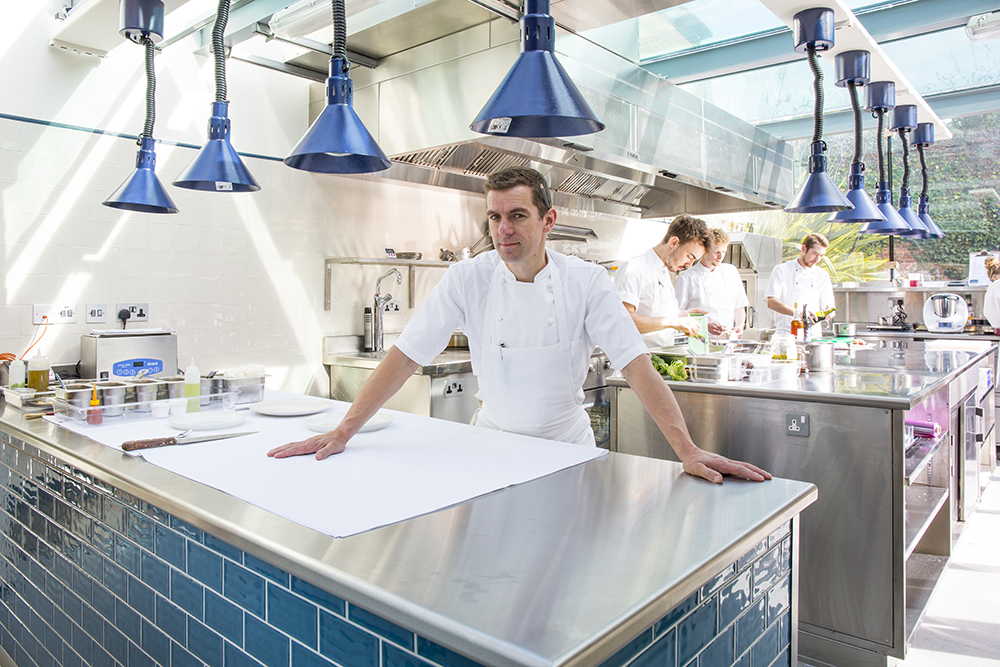
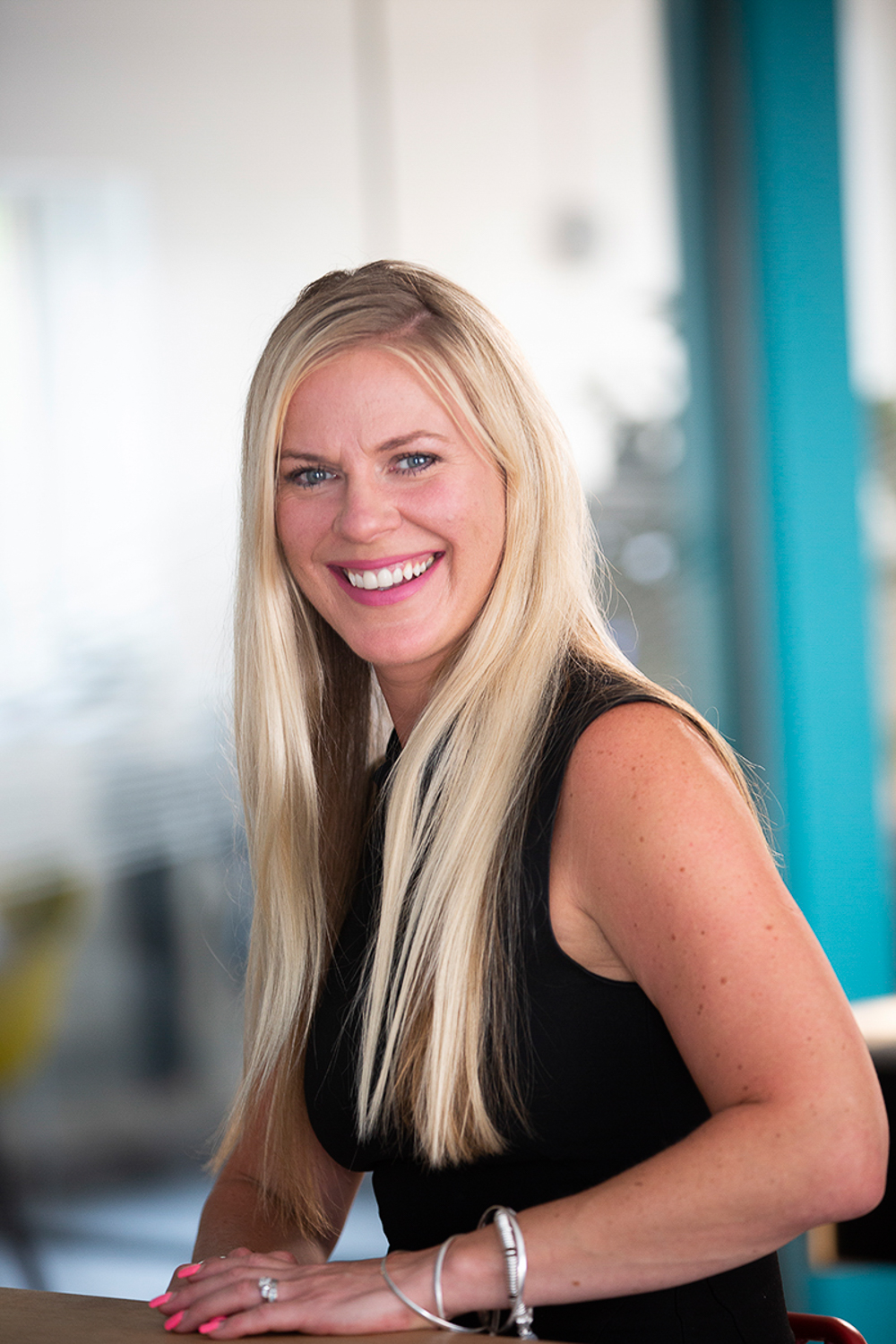
Sometimes a client prefers a studio, which can make them feel that the whole experience is just a little bit special. But if you are doing waist up, you can take the studio to the client. However, what’s key is to provide the photographer plenty of space to work in. Broom cupboards really don’t work. If you are on location, it’s always a good idea to have a good look around to find the ideal location. It could simply be that the light is better.
If we’re using backdrops, what do you suggest, and can you organise this?
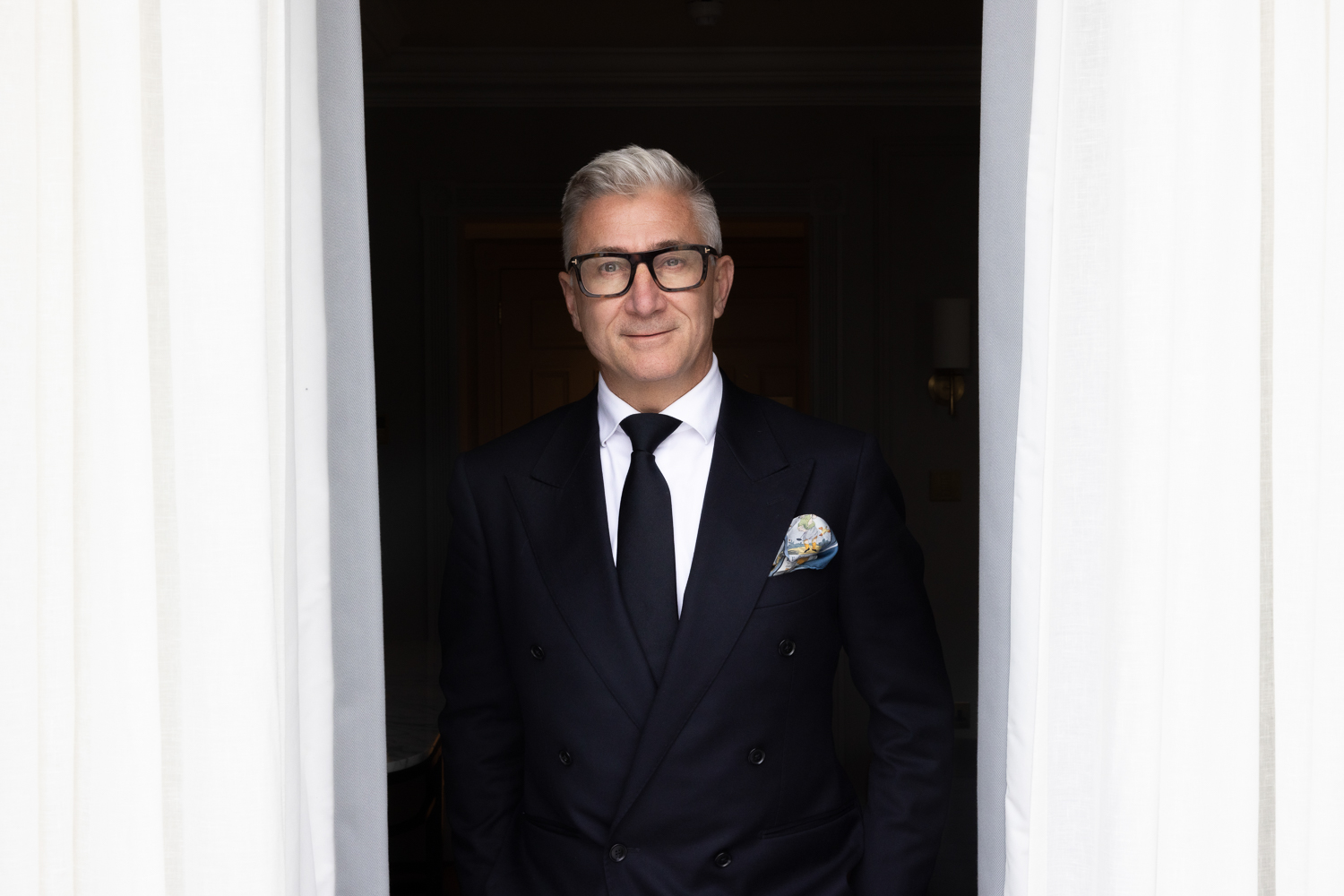
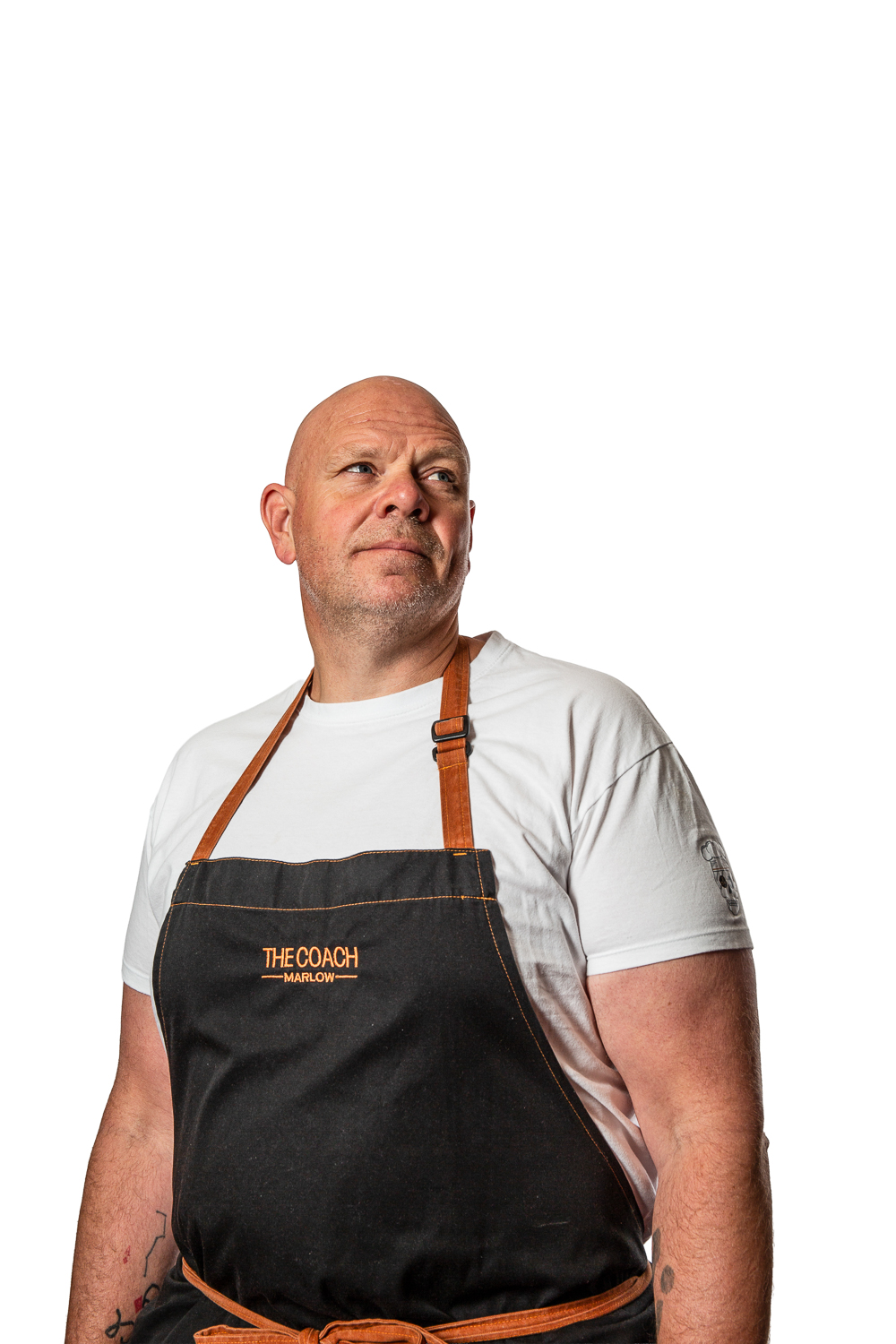
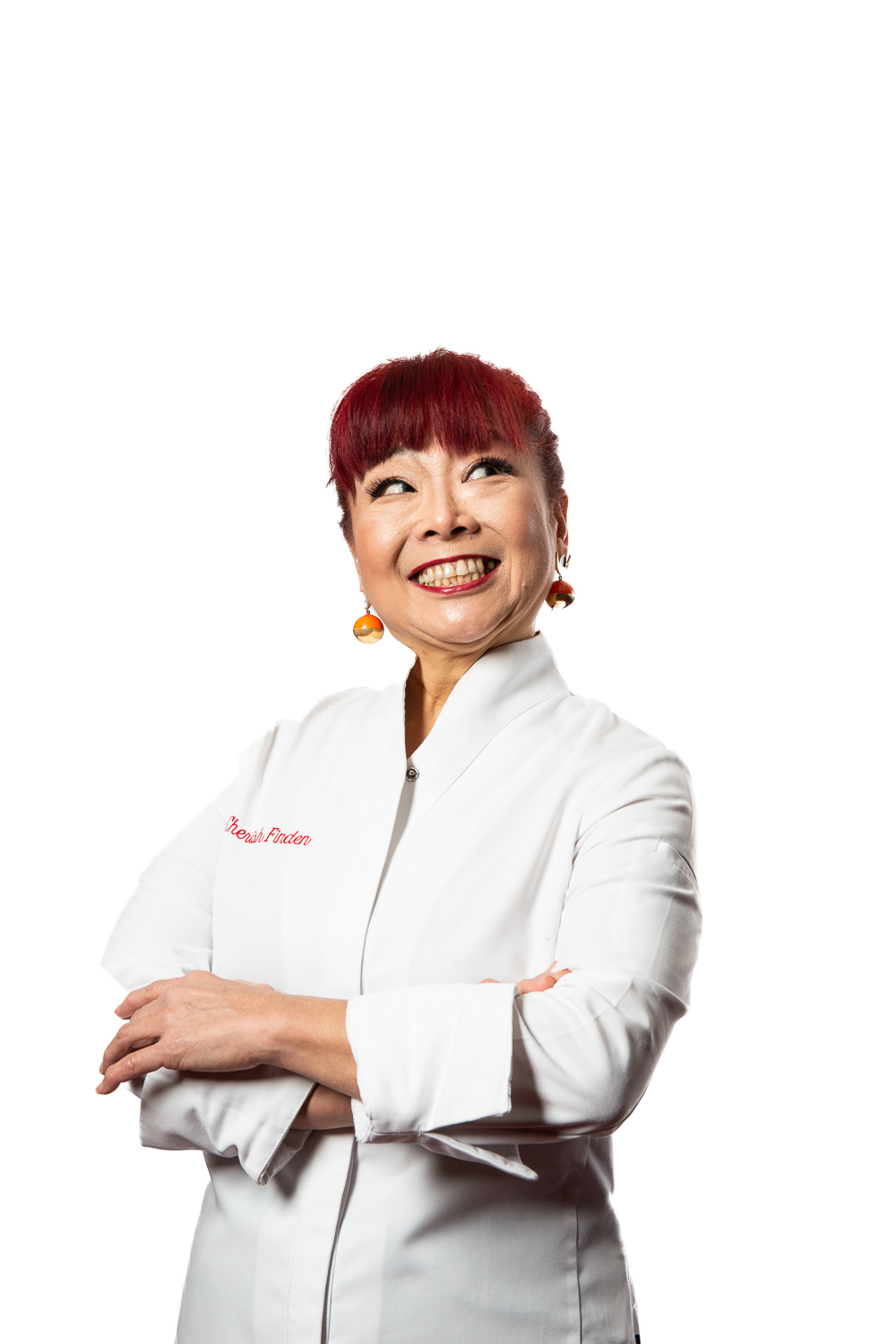
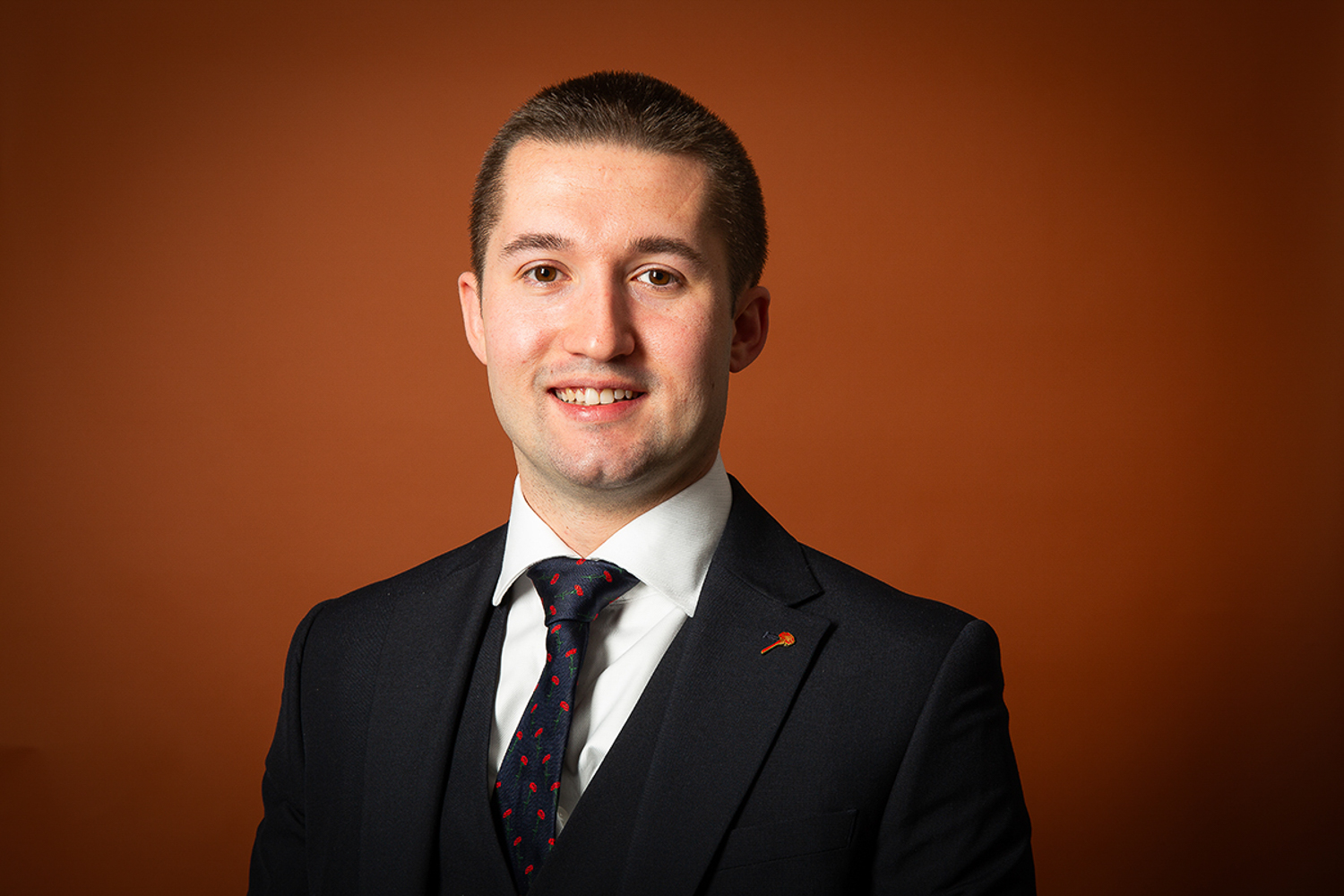
It greatly depends on the style of portrait you want. You can use the environment to tell you something about the person, i.e. type of job they do. A plain background is more formal and often used in corporate imagery. It has become easier to change the colour of the background in post-production so a consistent result can be created when photographing people in different locations, allowing you to create the same style. And yes, we can sort backdrops of varying sizes and bring the equipment, i.e. stands to support the backdrops.
What clothes should be worn for the pictures: smart/casual/uniform?
Some would say that clothes make the person. And certainly the choice of clothes can say a lot about a person. There is certainly less demand for the suit and tie, and a more casual approach has become more popular with people. If you want to tell a story with your images and employees wear a uniform, then photograph them in a uniform, as it can help tell the story. Senior execs or business founders may, on the other hand, want to be perceived in a different way, and they’ll have their own style they wish to convey.
Should we be thinking of hair and makeup at all, or a combination?
This is always a tough one. In an ideal world, a little bit of a touch-up can help, especially on a warm summer’s day and your subject is starting to glow a bit. Some people, especially women, like to do their own makeup. One recommendation is never get your hair cut the day before a shoot. There’s always the chance it might not look quite right the day after.
What should people do with their hands: Lap, table, hips, or thinking?
The two things people ask are where do I look and what do I do with my hands? Both of these are very much in the control of the photographer. But there are a couple of tips. Facial expressions depend on how relaxed people are when you’re taking the photo. So a little bit of work before you start taking pictures is always helpful, and once you’re in the flow, you can guide people where to look as they begin to feel much more comfortable.
The most common question is ‘what do I do with my hands?’ Guide people to use their hands in a way that they feel comfortable. If they are standing, let their hands fall by their side or put one hand in a pocket (if they have one). Seated hands may rest on the arm of a chair or a table in front of them. The key thing is to ensure the subject feels comfortable. Try to keep your hands away from your face, as it can make them look too posed.
If people aren’t keen on their picture, is there anything that can be done? How do you manage this out?
Question is wrong, we are talking about perception here. Not all shots are masterpieces, especially when you’re photographing a large number of people, and you have less time to work with them. Chatting to people and, where possible, slipping into the conversation about the mirror image. People think they look like, how they look in the mirror, which is a perception of themselves. Many people have never thought about it that way.